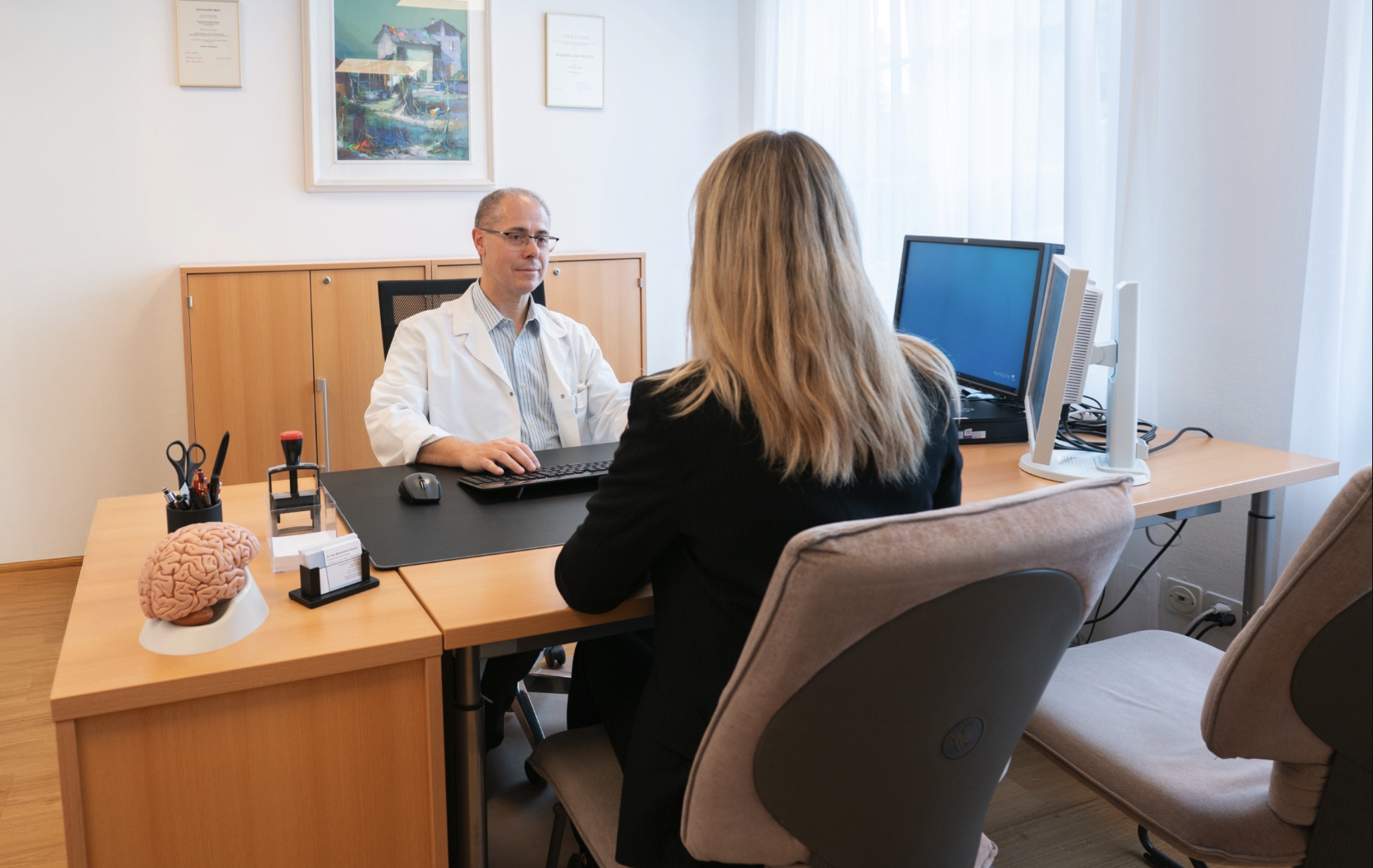
The clinical neurological examination, also known as neurostatus, is a comprehensive physical examination to assess a patient's neurological condition. During the examination, various functions of the nervous system are tested, including cognition, level of consciousness, motor skills, reflexes, coordination, sensation and gait.
This allows for the assessment of the central, peripheral and autonomic nervous system. The clinical neurological examination is routinely used to diagnose neurological diseases, monitor the progression of known conditions and evaluate the effectiveness of treatments. The examination is conducted personally by the specialist physician and, together with the medical history, forms the foundation for further investigations, diagnostic decisions and treatment planning.
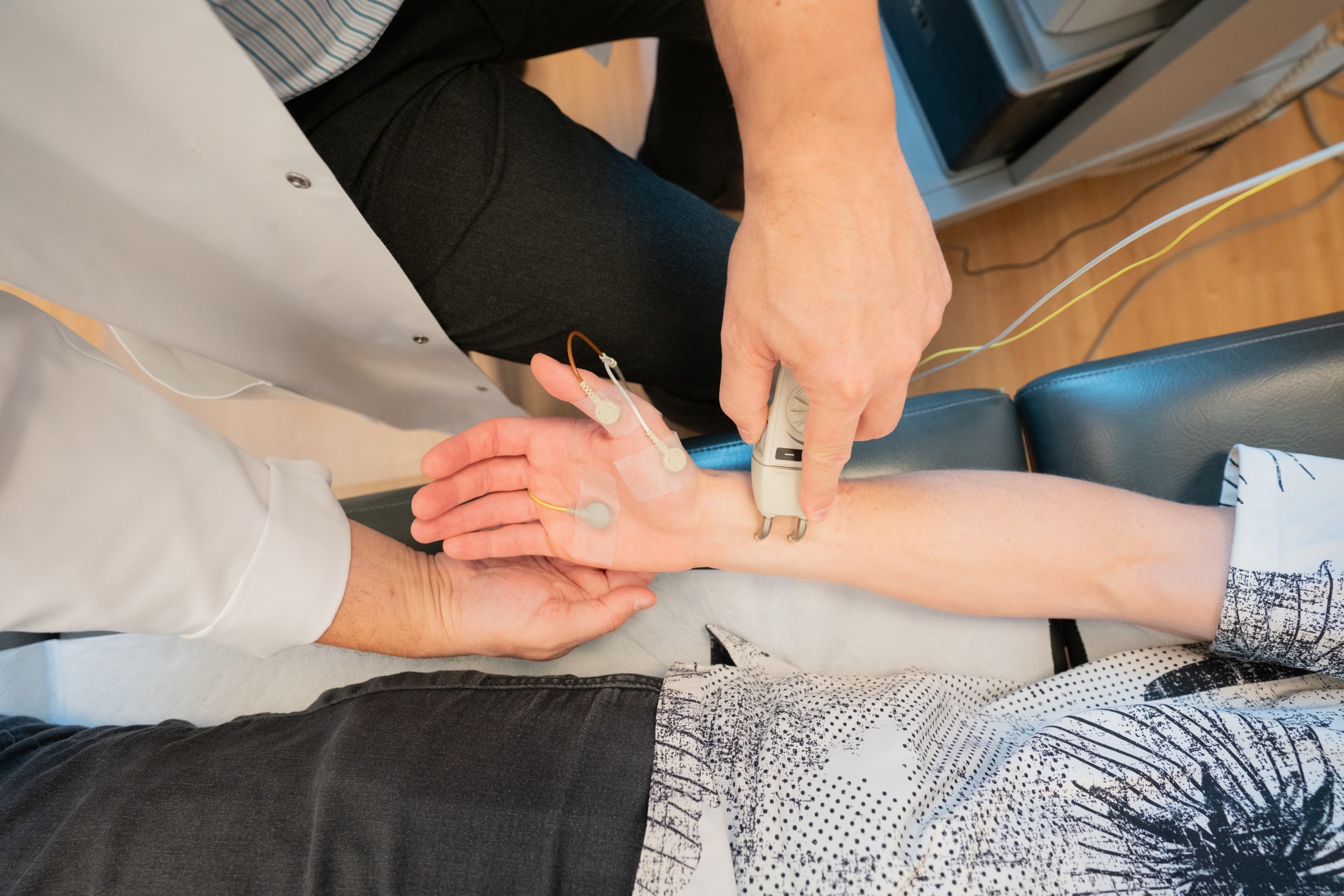
Electroneuromyography (ENMG) is a diagnostic procedure used to assess the function of nerves and muscles. During the examination, electrodes are placed on the skin or inserted into the muscles (needles) to measure electrical activity and neuromuscular function.
The examination allows for the evaluation of nerve conduction, muscle activity and neuromuscular transmission. ENMG is used to diagnose diseases of the peripheral nervous system (nerve pathways and muscles). The procedure is personally performed by the specialist physician.
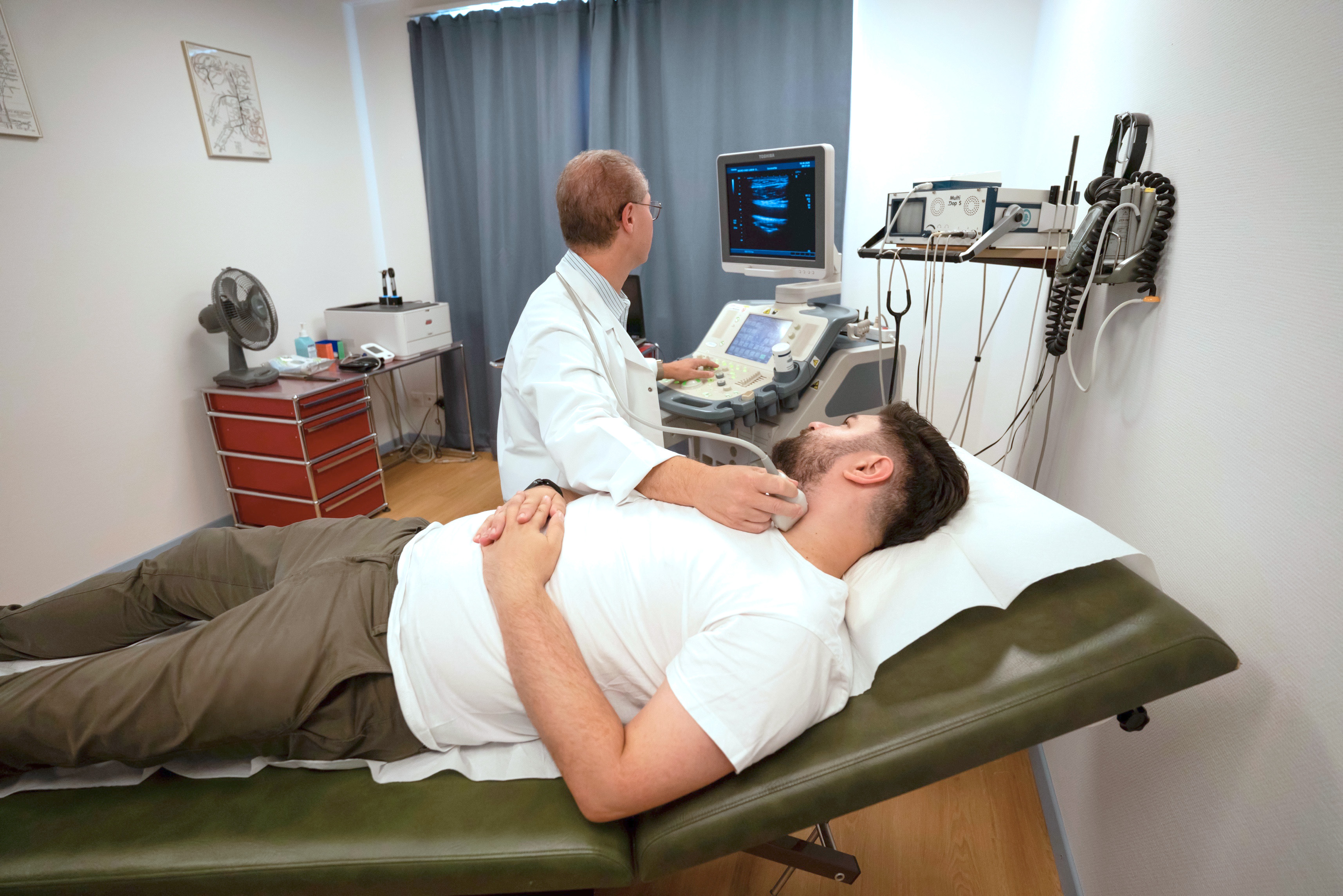
Cerebrovascular sonography, also known as Doppler/color duplex examination of the brain-supplying arteries, is a non-invasive diagnostic procedure used to assess the vessels that provide blood to the brain. During the examination, ultrasound waves are used to measure the velocity and direction of blood flow in the arteries.
This examination allows for the assessment of vascular structure, blood flow dynamics and potential narrowing (stenosis) or blockages (occlusions) in the brain-supplying arteries. It is used to diagnose cerebrovascular diseases and is personally performed by the specialist physician.
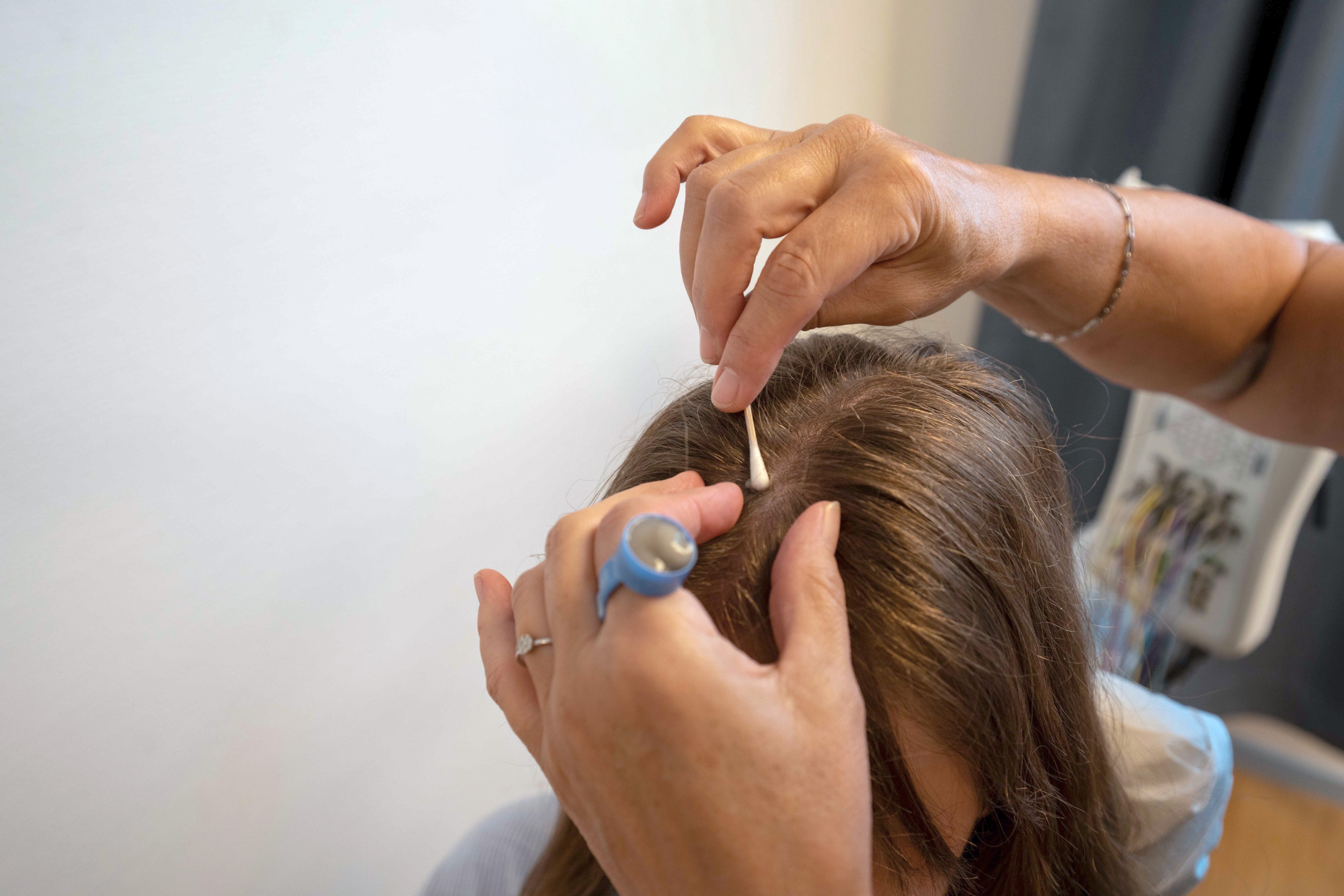
Electroencephalography (EEG) is a diagnostic procedure used to measure the electrical activity of the brain/brain cells. During the examination, electrodes are placed on the scalp, allowing for the assessment of electrical brain signals.
EEG is used to diagnose epilepsy, monitor patients with known epilepsy, and evaluate other neurological conditions, such as neurodegenerative diseases, sleep disorders and disturbances of consciousness. The examination is performed by our specialised staff and evaluated by the specialist physician.

As a practicing neurologist, Dr. Siccoli works closely with general practitioners and specialists from other disciplines. He offers quick appointments for your referred patients and ensures detailed reporting. Dr. Siccoli is readily available to answer questions or provide collegial advice at any time.
register now